

Lument’s Consensus-Building, Creativity, and Speed Pay Off for West Virginia
MERGERS & ACQUISITIONS | West Virginia
West Virginia Sells Long-Term Care Facility Portfolio for $140 million
The state of West Virginia wanted to reenergize its long-term care system by divesting aging facilities to a private sector operator who would improve the quality-of-care patients received. After a national competition for a sell-side advisor, the state chose Lument Securities to manage the process. Lument’s M&A team successfully navigated a 15-month transaction process that included a change of administration and outreach to 140 investors. The team secured a buyer who met all of West Virginia’s requirements, delivering $140 million in aggregate consideration.

The Background
West Virginia Decides to Exit State-Owned Long-Term Care
During the early 20th century, many states built and operated their own hospitals to care for people suffering from such conditions as tuberculosis and mental illness. Over time, these facilities were often repurposed. West Virginia, for instance, converted a number of sanitariums and psychiatric hospitals to long-term care facilities. As the decades passed, these aging facilities became increasingly difficult to maintain and proved ill-adapted to modern standards of care. In the meantime, they were draining millions of dollars from state coffers every year. West Virginia decided it required a solution to better serve citizens needing long-term care while using state revenue more efficiently.
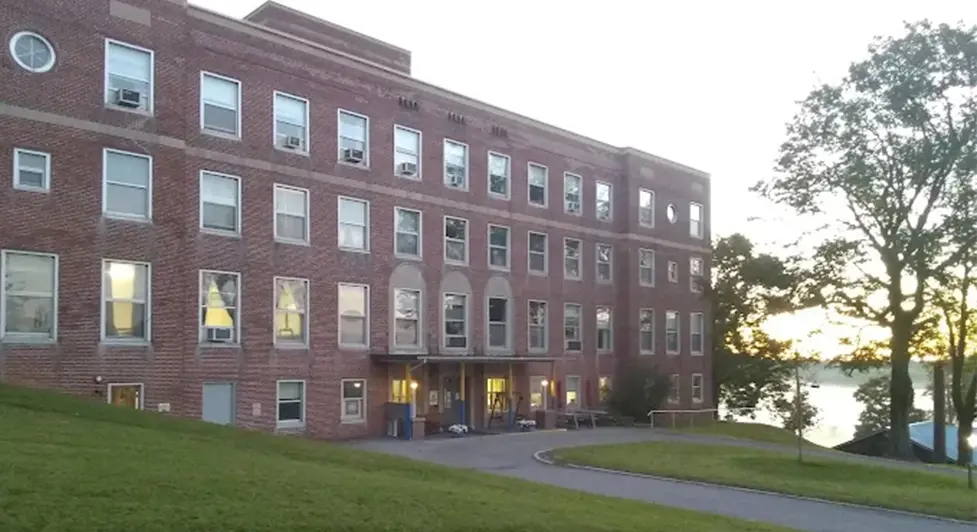
After much deliberation, West Virginia decided to put four older long-term care facilities totaling 511 beds on the market — Hopemont Hospital, Jackie Withrow Hospital, John Manchin Sr. Health Care Center, and Lakin Hospital — and launched a national search for a sell-side advisor. After a rigorous national review process that lasted almost a year, the state chose Lument Securities from a field of two dozen applicants. Lument’s 2022 success in arranging the sale of a private long-term care company that included nearly 2,000 skilled nursing beds for the highest price per bed in the state’s history weighed heavily in its deliberations.
The Challenge
Adjusting to the Special Requirements of Government Entities
The public nature of the transaction imposed its own set of requirements. As sell-side advisor to the state government, the Lument team knew that it would have to exercise the highest levels of transparency and impartiality to ensure the process could withstand the most exacting scrutiny. This meant conducting exhaustive, in-depth vetting of potential buyers to confirm the high standard of care they provided for their long-term patients in their facilities.
Lument also had to take into account the electoral timetable. The sale was an initiative of long-time Governor Jim Justice, and the state wanted Lument to close the deal before he left office in January 2025. Failing to do so would mean delay while the incoming administration assessed its priorities. Effectively, this meant that Lument would have to finalize the transaction by Thanksgiving, compressing a six-to-nine-month process into a five-month window.
In addition, the state imposed a number of conditions that would limit a potential buyer’s ability to make changes immediately after it took possession of the businesses. It insisted on continuity of care for existing patients, stipulated that virtually all state employees be retained, and forbade buyers from moving facilities to other locales for a period of time after the transaction closed.
Finally, there are issues that arise when states, rather than private parties, transact. As a sovereign entity, West Virginia could not indemnify a private entity, a process that is usually standard in any business transaction. And to ensure full transparency, it refused to allow exclusivity in negotiating with potential buyers, a marked departure from traditional M&A transaction practices.
“A large part of what we did was educating potential buyers about how states do business and convincing them that the opportunity was compelling enough for them to make the adjustment,” Wong-Hammond said. “This is where expert positioning and strategic negotiations were pivotal to transaction success, although, candidly, not all investors could overcome these hurdles,” she continued.
The Solution
Adhering to a Rigorous Schedule While Adjusting to Contingencies
As soon as the contract was signed at the end of June 2024, Lument hit the ground running. The team developed a hand-picked, bespoke buyers list, which it reviewed with the administration to eliminate potential conflicts of interest, and immediately distributed a confidential information memorandum to 140 approved investors. Within the first 30 days of launch, Lument negotiated 62 nondisclosure agreements. Two weeks later, 11 signed letters of intent came in. This was followed by multiple rounds of negotiations around price, terms, and post-closing conditions over the following months.
Lument secured a wide gamut of offers and structures from a broad pool of investors, including publicly traded real estate investment trusts (REITS), owner-operators, private capital, and local businesses. By the end of August, Lument had selected four finalists and worked with each of them to draw up contracts reflecting their individual goals. Just before Thanksgiving – and right on schedule – Lument presented the contracts, executive summaries, and its recommendations to the state.
The Justice administration, nearing the end of its term, decided to invite the active involvement of the incoming administration of Patrick Morrissey. “The deal paused in mid-December, and we had no assurance of when and if the new governor would pick it up,” Wong-Hammond said. “We worked really hard with the four finalists as well as the other seven parties who signed letters of intent to maintain their interest during this period of uncertainty.”
After much deliberation and due diligence, the Morrissey administration decided to resume progress on the deal in mid-May 2025. Enough time had passed that those investors willing to move forward had to update their financials and conduct new environmental and engineering reports. A few of the finalists dropped out, which meant that Lument had to go back to the 62 parties who signed a letter of intent, elicit new competitive offers, narrow them down to another top tier, and make a new recommendation. The governor’s office also wanted to conduct face-to-face interviews with some groups to assess fit. Many transaction milestones typically phased sequentially over months had to be stacked concurrently and accelerated. Wong-Hammond described these hectic months as “turbo-paced.”
Throughout the 15-month process, Lument worked closely with all parties: a different set of state agencies for the Justice and Morrisey administrations, the offices of the two governors, dozens of potential buyers, the staff of the four facilities, and members of the local communities. It developed talking points, hosted town hall meetings, and served as a sounding board for the finalists as they polished their offerings. Lument encouraged them to visit the facilities and reassure the employees about their intentions. “Our role was to build consensus, clarify assumptions, and rebut misinformation while encouraging all concerned to stay at the bargaining table and maintain focus,” said Wong-Hammond.
The Impact
A Better Future for Long-Term Care in Virginia
On November 1, West Virginia announced its sale of the four facilities to the Marx Development Group (MDG), which operates more than 40 skilled nursing facilities in Indiana, Ohio, and Michigan through its Majestic Care subsidiary. The aggregate consideration totaled $140 million, of which MDG paid $60 million upfront for the four facilities, meeting all conditions for continuity of residents, employees, and location, and committed an additional $80 million to build at least three new long-term facilities in the coming years using local labor and materials wherever possible. While the price per bed was not as high as Lument’s previous record sale, it was nearly $274,000 per bed of total investment dollars, which was substantial considering the condition of the physical plant and business operations. That MDG has its own in-house design firm, general contractor, and operator Majestic Care, as well as the financial strength to withstand initial losses, were significant points in its favor.
MDG’s final offer represented a substantial change from its initial position. Lument secured these terms only after extensive negotiations with the company. The team introduced MDG to local vendors, consultants, and other market participants so that it could conduct the best possible due diligence. “We made the point to MDG that this was a compelling opportunity even for an operator who does not have an active footprint in the state,” she said. “West Virginia has not issued a skilled nursing license in almost 30 years, so this transaction would provide a rare chance to break into the market with higher Medicaid reimbursement than most states and immediately gain efficiencies of scale from the 511 licenses.”
The governor was pleased with the results. “This marks an important milestone in our work to strengthen healthcare services and modernize the state’s operations,” Morrisey said. “West Virginia patients can look forward to enhanced care, modernized facilities, and a commitment to quality care. This is another step forward in improving outcomes for our patients while protecting taxpayer dollars.” Morrisey also enumerated the many benefits of substantial future development to West Virginia and its local communities.



